Black horizontal line on a white background
Water Extraction & Structural Drying

Removing visible water is only half the job. Moisture that stays in subfloors, wall cavities, framing and cabinets can cause swelling, odors and mold long after the floor looks dry. Pro Response Restoration provides professional water extraction and structural drying for homes and businesses in San Francisco and Marin County. We extract standing water, measure moisture inside the structure, set up commercial drying equipment and monitor progress until every affected material is back to a normal, verified dry level.
20+ Years of Experience ✓ Owner-Operated ⌂ Residential & Commercial ⚡ Fast Emergency Response
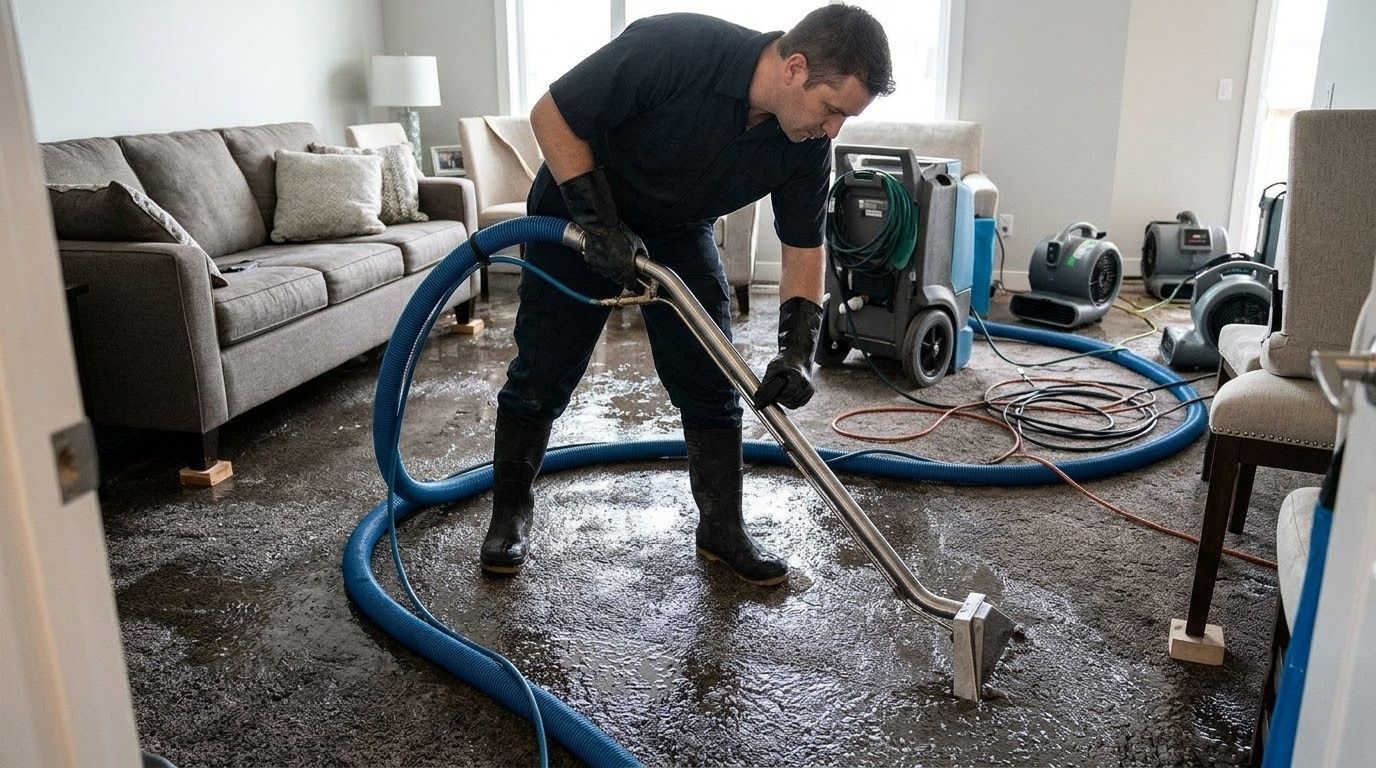
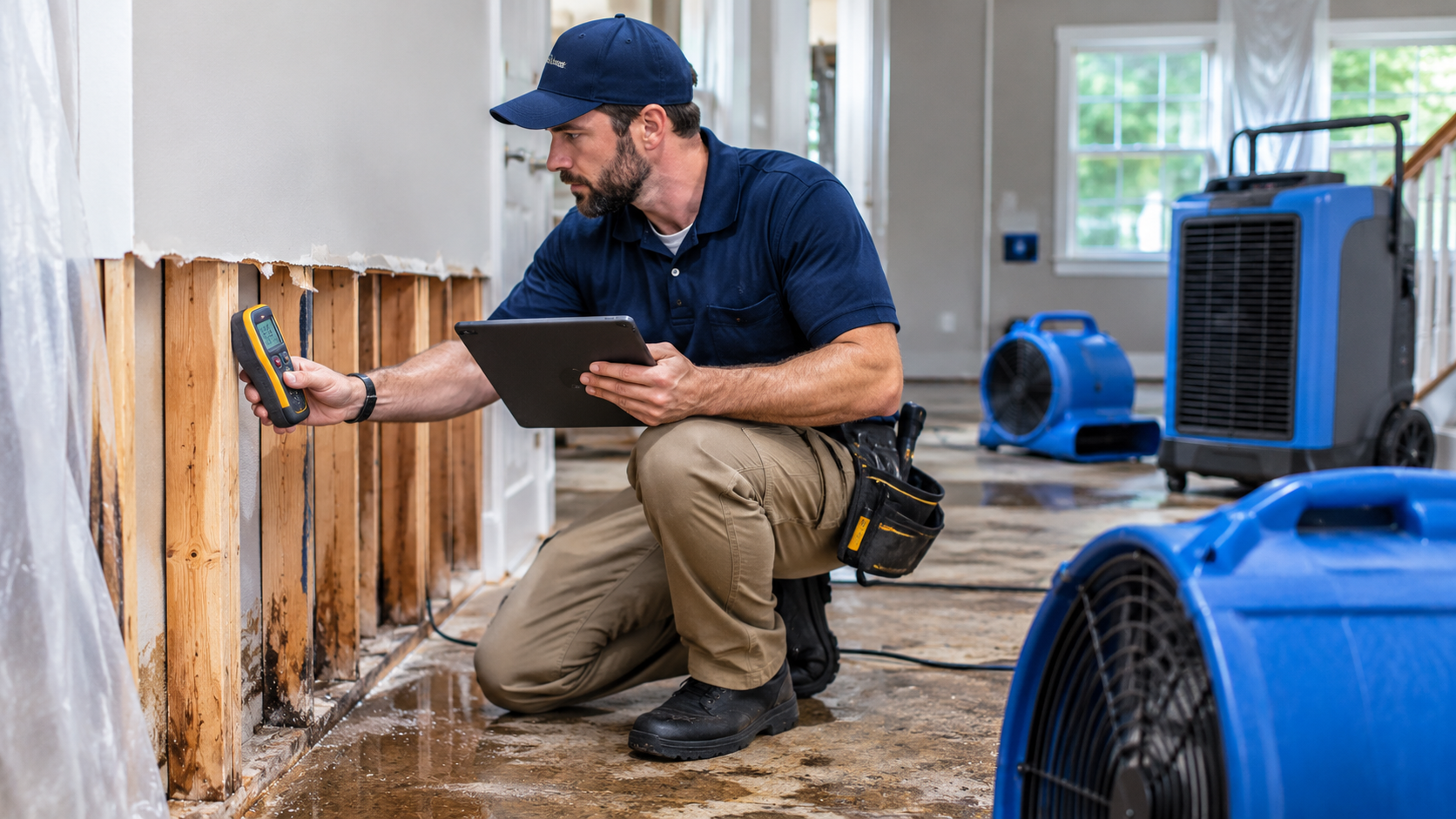
Water damage restoration technician drying a water damaged room in Pinole, CA
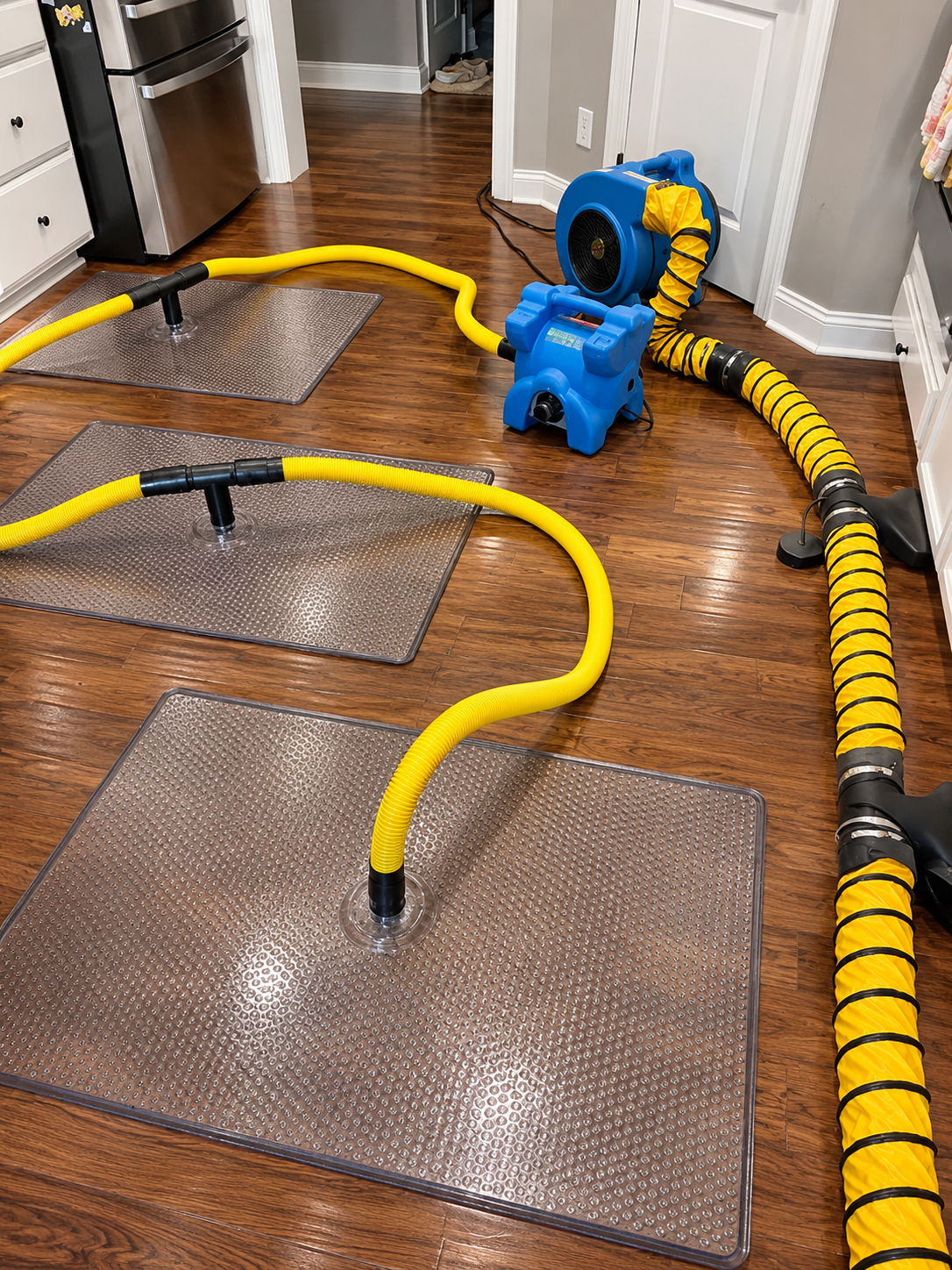
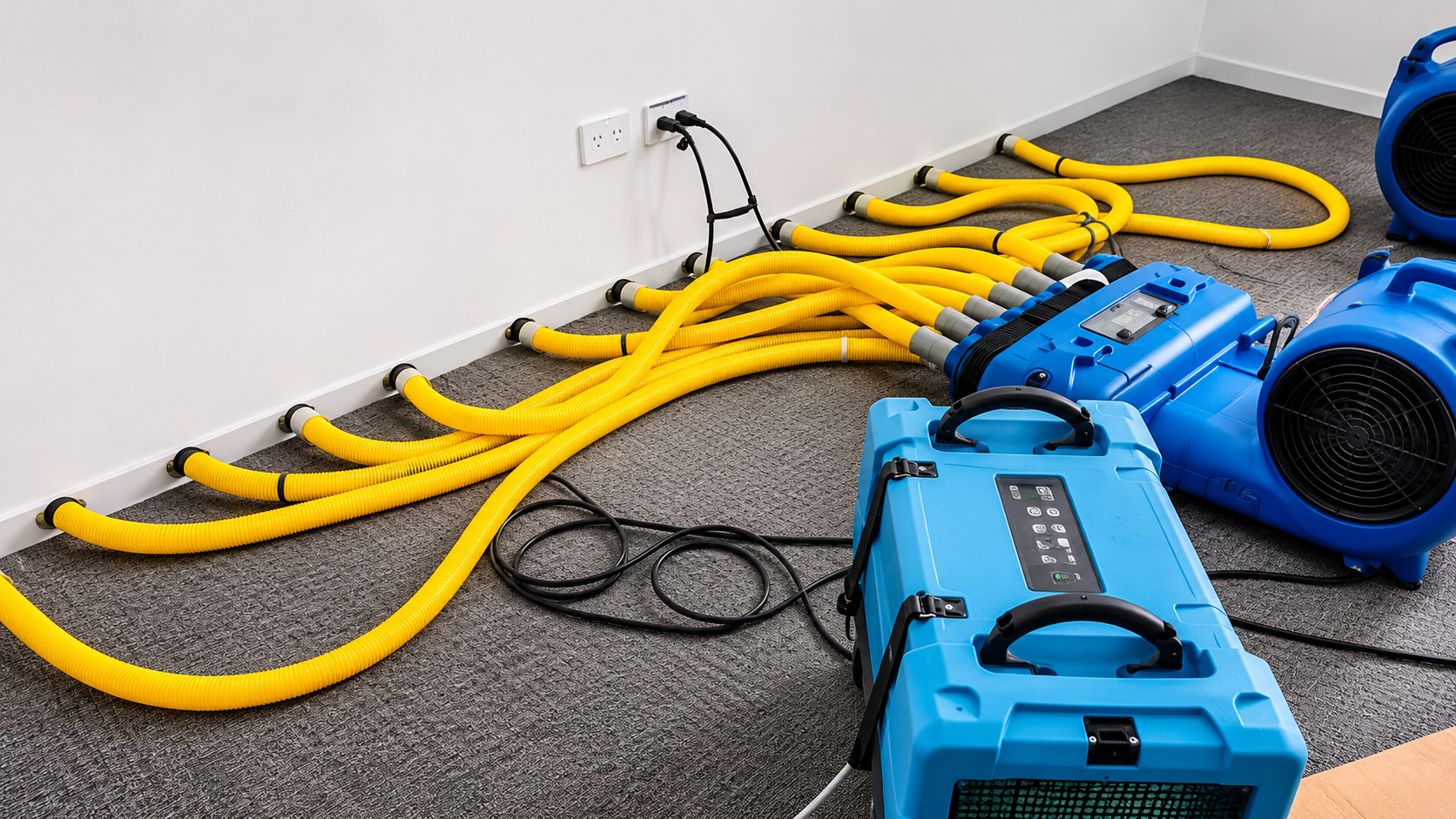
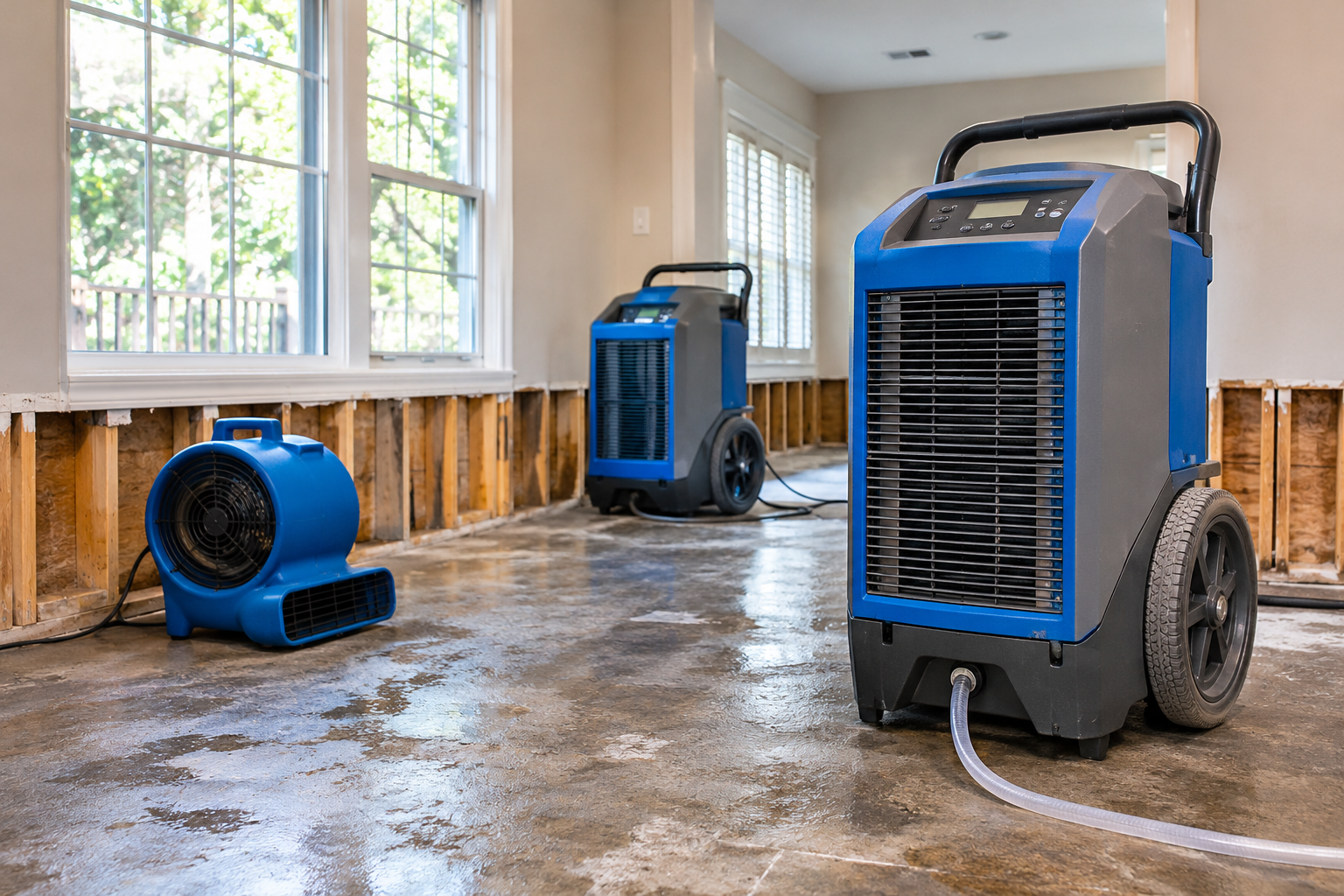
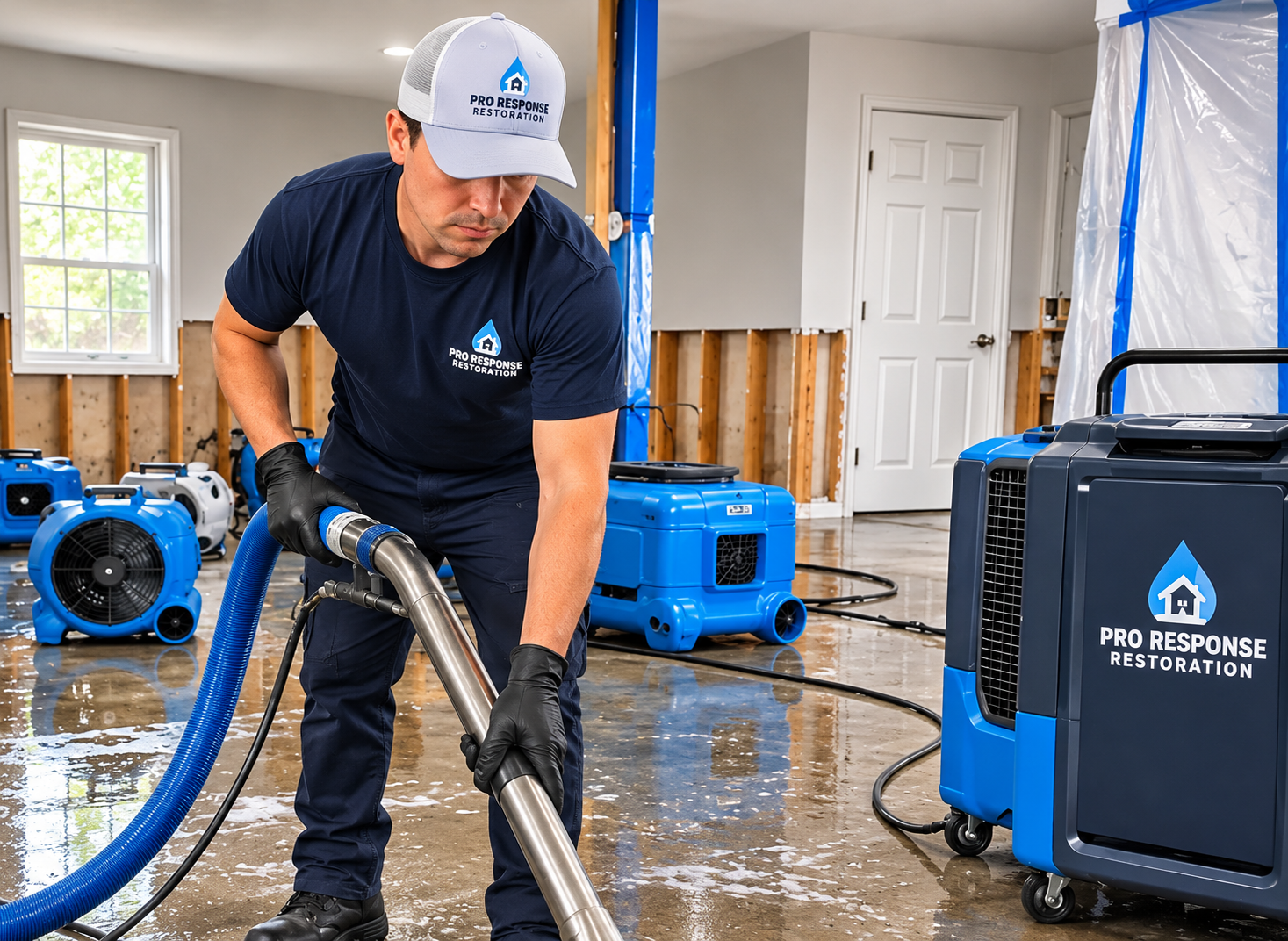
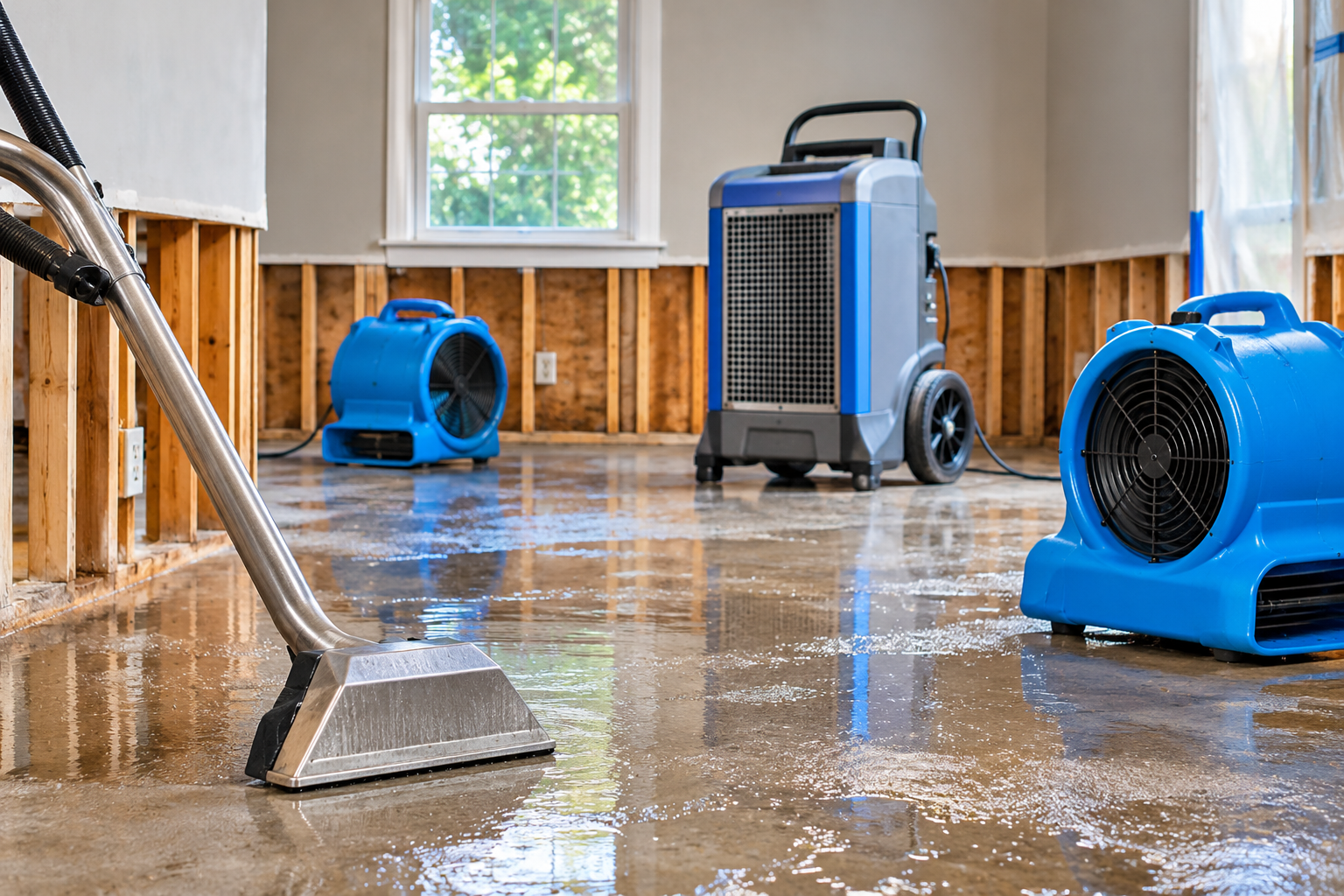
Water extraction and structural drying equipment in a water damaged home

What Is Structural Drying and Why Does It Matter?

Structural drying is the controlled process of removing moisture from the building itself, not just the surfaces you can see. After extraction, water remains in drywall, studs, subfloors, insulation and concrete. We use dehumidifiers and air movers to pull that moisture out, and moisture meters to confirm progress. Drying the structure properly prevents warped floors, crumbling drywall and mold, and it lets us save more of your original materials instead of tearing them out.
  • Standing water extracted from all floor types
  • Wet carpet water extraction and pad drying
  • Moisture readings in walls, floors and ceilings
  • Commercial dehumidifiers and air movers
  • Wall cavity and under-cabinet drying
  • Drying monitored until materials test dry
Black horizontal line on a white background
Science-Based Drying

How Do You Know When a Structure Is Fully Dry?

A floor can feel dry to the touch while the subfloor or wall framing underneath is still wet. We take moisture readings in affected materials and compare them with readings from unaffected areas of the same home or building. Drying continues until affected materials match those normal levels. Readings are recorded throughout, so you have clear documentation of the drying process for your records and for your insurance claim.

Wet Carpet and Hardwood Floors

We use extraction tools designed for each flooring type. Carpet is extracted and the pad and subfloor dried, and hardwood can often be dried in place with specialized equipment when we start early enough. Laminate and engineered flooring are evaluated honestly, since some products cannot be saved once water gets underneath.

Walls, Ceilings and Subfloors

Water moves into drywall, plaster, insulation and framing quickly. Where possible, we dry wall cavities without removing drywall. When materials are too saturated or contaminated, we remove only what is necessary, dry the framing and subfloor, and prepare the area for clean, lasting repairs.

Our Water Extraction and Drying Process

Restoration process step icon
1. Inspection and Moisture Mapping
We inspect affected rooms and use moisture meters and thermal imaging to map how far the water traveled. This shows us which walls, floors and cabinets are wet, where hidden pockets of moisture are and how to plan extraction and equipment placement.
Restoration process step icon
2. Water Extraction
Truck-mounted and portable extractors remove standing water and pull water out of carpet, pad and hard floors. Thorough extraction removes far more water than air drying alone, which shortens drying time and reduces damage to the structure.
Restoration process step icon
3. Preparing the Space for Drying
We move furniture, lift carpet where needed, remove baseboards and drill small weep holes in walls when trapped water needs a path out. Materials that cannot be dried are removed so air can reach the framing and subfloor.
Restoration process step icon
4. Drying Equipment Setup
Commercial dehumidifiers and air movers are placed to create efficient airflow across wet surfaces and into wall cavities. The setup is sized to the affected area, the building layout and the Bay Area's humidity so materials dry evenly and safely.
Restoration process step icon
5. Daily Monitoring
We return to take moisture readings, check temperature and humidity and adjust equipment as materials dry. Monitoring prevents over-drying or under-drying and lets us remove equipment as soon as each area reaches its dry standard.
Restoration process step icon
6. Final Verification and Repairs
Once readings confirm the structure is dry, we record final measurements and remove equipment. If drywall, baseboards or flooring were removed, we repair and replace them so the affected rooms are fully restored and ready to use.
Black horizontal line on a white background

our services

Extraction and Drying Services We Provide
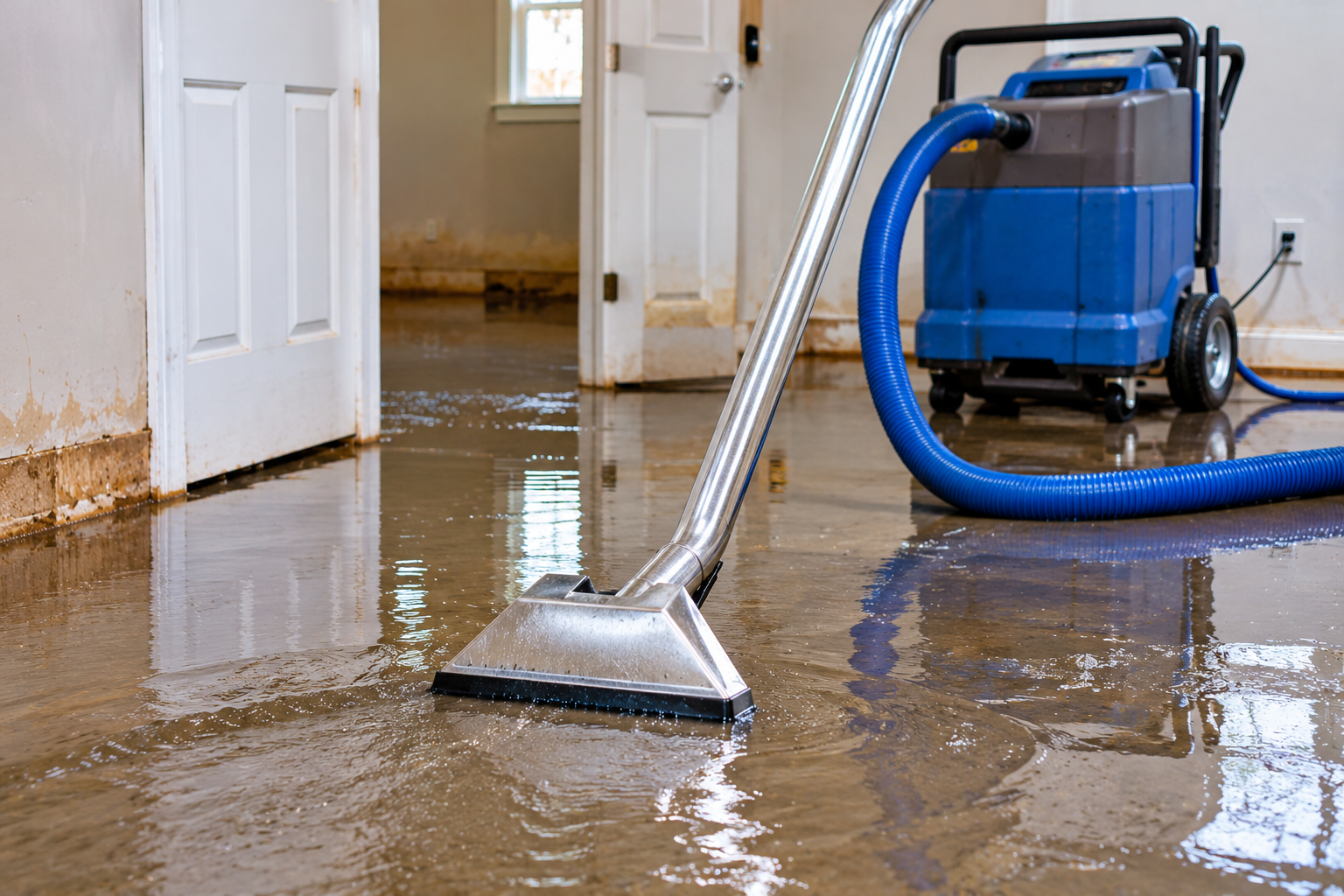
We combine professional water extraction with careful, monitored structural drying to protect as much of your home or commercial property as possible. Here is what that work includes.
Water damage restoration service in Pinole, CA
Extraction

Standing Water Extraction


Powerful extraction equipment removes standing water from basements, kitchens, bathrooms and commercial floors, starting the drying process on the right foot.
Water damage restoration service in Pinole, CA
Carpet

Wet Carpet Water Extraction


We extract water from carpet and padding, lift the carpet to dry the subfloor, and evaluate whether the pad can be dried or should be replaced.
Water damage restoration service in Pinole, CA
Floors

Hardwood and Subfloor Drying


Specialized drying methods pull moisture from hardwood and subfloors to reduce cupping and buckling and to save original flooring whenever possible.
Water damage restoration service in Pinole, CA
Walls

Wall Cavity Drying


Targeted airflow dries moisture trapped behind drywall, plaster and cabinets, often without large-scale demolition, keeping repairs smaller and less disruptive.
Water damage restoration service in Pinole, CA
Air

Dehumidification


Commercial dehumidifiers remove moisture from the air so wet materials can release water faster, which is essential in coastal Bay Area humidity.
Water damage restoration service in Pinole, CA
Monitoring

Moisture Monitoring and Records


We take and record moisture readings throughout the job, so you can see drying progress and have organized documentation for your insurance claim.

Insert Content

Black horizontal line on a white background.
Common Questions

Water Extraction & Drying FAQs

Drying a building correctly is part science and part experience. These answers explain what to expect from professional water extraction and structural drying.

How long does structural drying take?

Most structural drying takes three to five days, though dense materials like hardwood, plaster and concrete can take longer. The timeline depends on how much water was involved, how long it sat and the materials affected. We monitor moisture daily and stop only when readings confirm materials are dry.

Why can't I just use fans to dry my house?

Household fans move surface air but do little to remove moisture trapped in subfloors, framing and wall cavities. Without dehumidification, moisture simply moves into the air and back into materials. Commercial dehumidifiers, targeted air movers and moisture readings are needed to dry the structure fully.

Can hardwood floors be saved after water damage?

Often, yes, if extraction and drying begin quickly. Specialized drying equipment pulls moisture from the boards and subfloor to reduce cupping. Some light cupping may flatten as the floor dries. Floors that remain warped after drying may need refinishing or partial replacement.

Do you have to cut holes in my walls?

Not always. We often dry wall cavities by removing baseboards and drilling small holes behind them, which are hidden once baseboards are reinstalled. Larger sections of drywall are removed only when they are saturated, contaminated or already falling apart.

Why are the drying machines so loud, and can I turn them off?

Air movers and dehumidifiers run continuously because drying works best without interruptions. Turning them off can slow drying and let moisture settle back into materials. If noise is a concern, talk to us and we will adjust the setup where it is practical.

Do you provide water extraction for businesses?

Yes. We provide water extraction and structural drying for offices, retail spaces, rental units and other commercial properties across San Francisco and Marin County, and we plan equipment placement around your operations.

    Short black horizontal line on a white background
    Why Choose Us

    Benefits of Professional Water Extraction and Drying

    BENEFIT 01

    Saves Original Materials
    Thorough extraction and controlled drying let us save more drywall, flooring and cabinets, so fewer materials need to be torn out and replaced.

    BENEFIT 02

    Prevents Hidden Damage
    Moisture readings find water hidden in subfloors and wall cavities, preventing warped floors, crumbling drywall and rot from showing up weeks later.

    BENEFIT 03

    Stops Mold Before It Starts
    Bringing materials back to normal moisture levels removes the damp conditions mold needs to grow inside walls and under floors.

    BENEFIT 04

    Measured, Documented Results
    Recorded moisture readings give you proof that the structure is dry and organized records for your insurance claim.

    BENEFIT 05

    Shorter Disruption
    Professional equipment dries a structure far faster than fans and open windows, helping you get rooms back into use sooner.

    BENEFIT 06

    Experienced Oversight

    With 20+ years in the industry and Jorge overseeing each job, drying decisions are made by someone who knows how San Francisco and Marin County  homes and buildings hold moisture.

    Black horizontal line on a white background
    Request an Estimate

    Need Water Removed and Your Property Dried?

    Call Pro Response Restoration or request an estimate online. We will extract the water, set up the right drying equipment and monitor your San Francisco and Marin County property until it is properly dry.

    Signs You Need Professional Drying
    • Carpet still damp days after a leak
    • Floors cupping, buckling or feeling soft
    • Drywall that feels spongy or is staining
    • Peeling paint or wallpaper near the floor
    • Condensation or high humidity in the room
    • Musty smell coming from walls or cabinets