Black horizontal line on a white background
Mold Remediation & Moisture Damage Repair

Mold usually points to a moisture problem that has been going on longer than anyone realized, such as a slow leak under a sink, a damp crawlspace or water that was never fully dried after a past flood. Pro Response Restoration provides mold remediation and moisture damage repair for homes and businesses in San Francisco and Marin County. We find the moisture source, contain the affected area, remove mold-damaged materials, clean and treat the structure, and repair the damage so the problem does not keep coming back.
20+ Years of Experience ✓ Owner-Operated ⌂ Residential & Commercial ⚡ Fast Emergency Response
Water damage restoration technician drying a water damaged room in Pinole, CA
Water extraction and structural drying equipment in a water damaged home

How Does Mold Remediation Work?

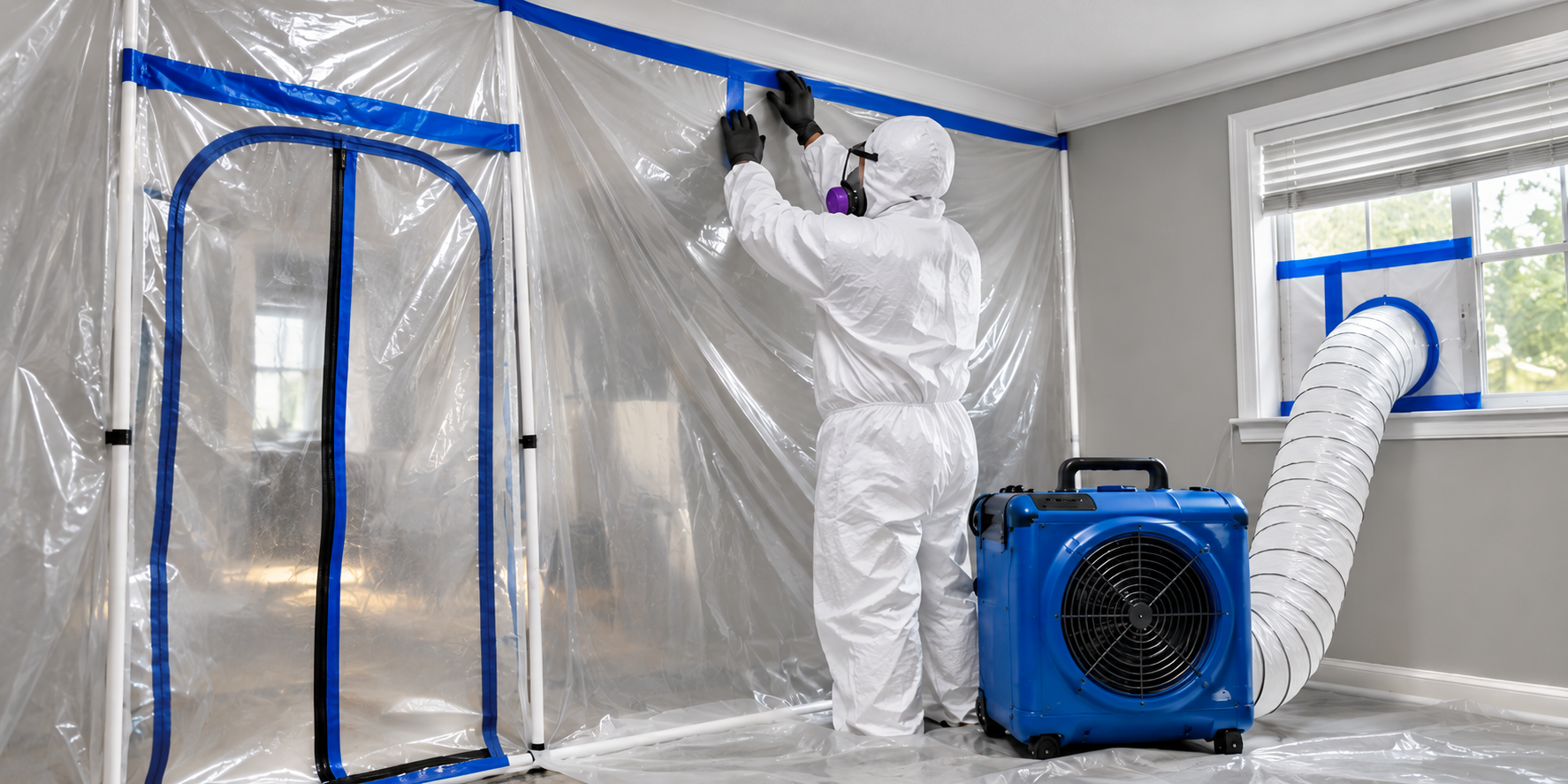
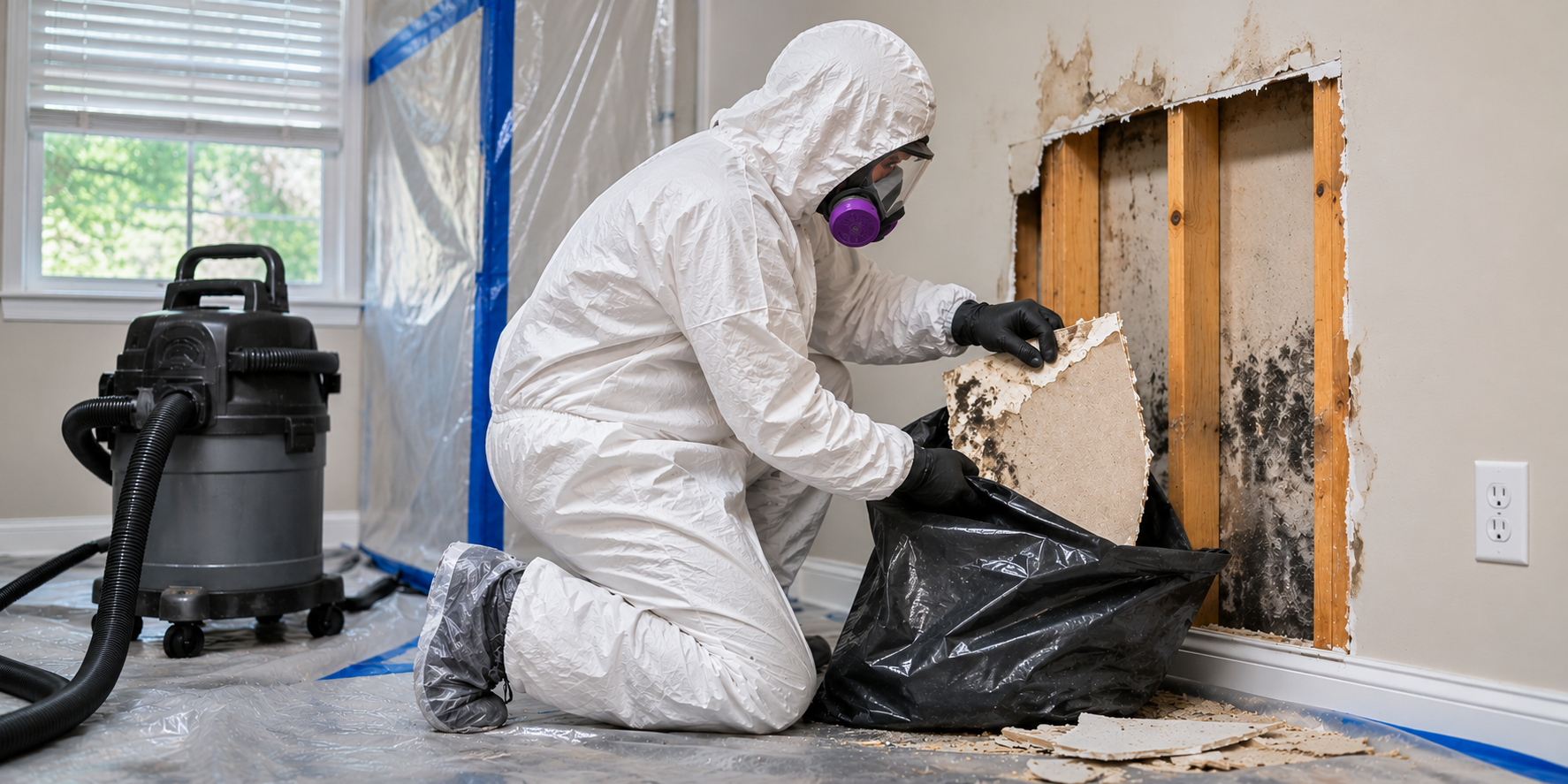
Mold remediation focuses on removing mold growth safely and fixing the moisture that caused it. We inspect to find the extent of growth and the water source, set up containment so spores do not spread, and use air filtration during the work. Mold-damaged porous materials are removed, remaining surfaces are cleaned and treated, and the area is dried. Finally, we repair drywall, insulation and other materials to restore the space.
  • Moisture source located and addressed
  • Mold growth area inspected and measured
  • Containment and air filtration set up
  • Mold-damaged drywall and insulation removed
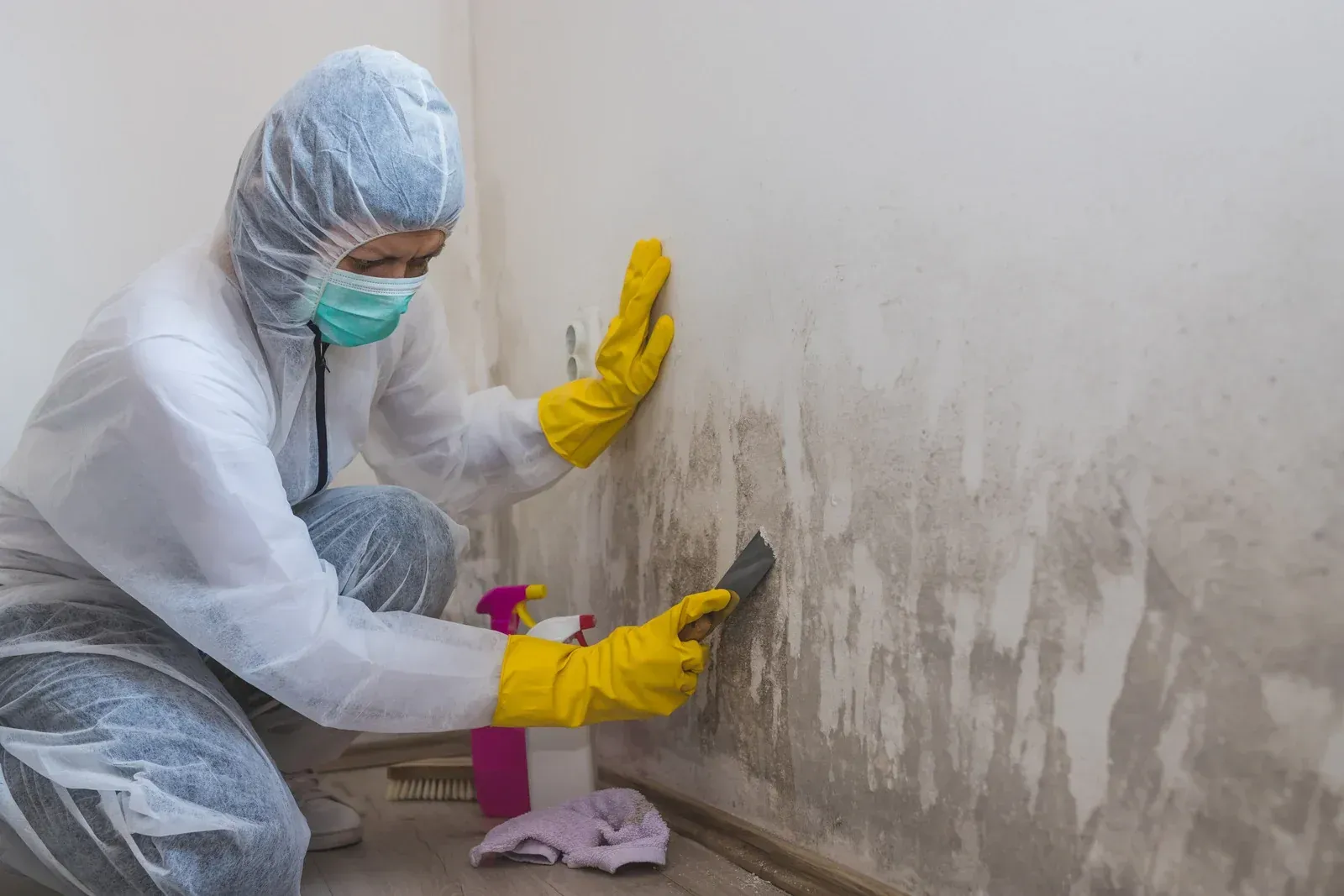
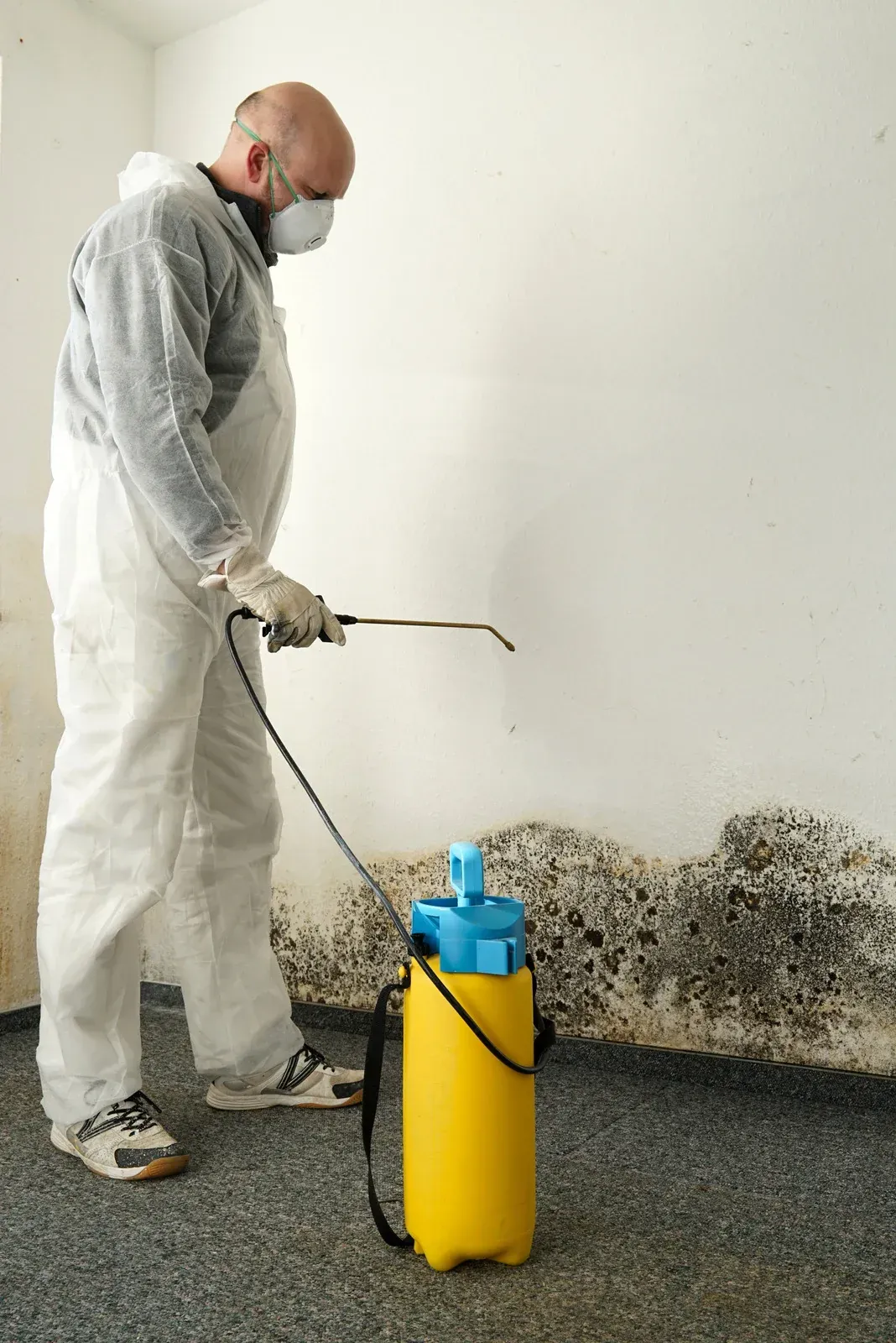
  • Surfaces cleaned and treated with antimicrobials
  • Moisture damage repaired and area restored
Black horizontal line on a white background
Moisture Control

Why Does Mold Keep Coming Back?

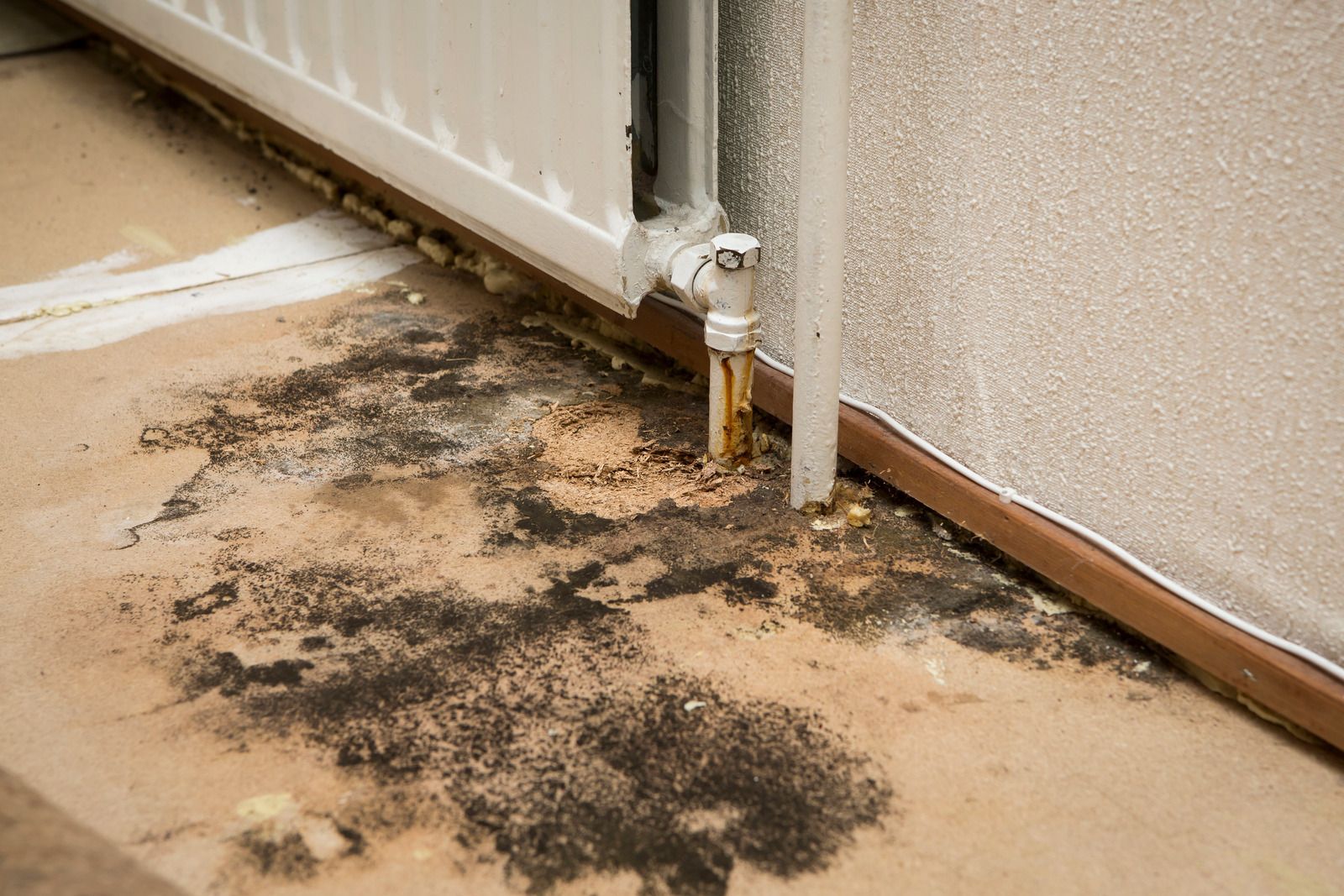
Mold returns when the moisture that feeds it is never fixed. Bleaching a stain or painting over spots only hides the problem while growth continues behind the surface. In the East Bay, coastal humidity, poorly ventilated bathrooms, damp crawlspaces and older plumbing can keep materials wet for months. Lasting mold remediation means finding and correcting the moisture source, removing affected materials and drying the structure thoroughly so the conditions that allowed growth are gone.

Hidden Mold and Moisture Damage

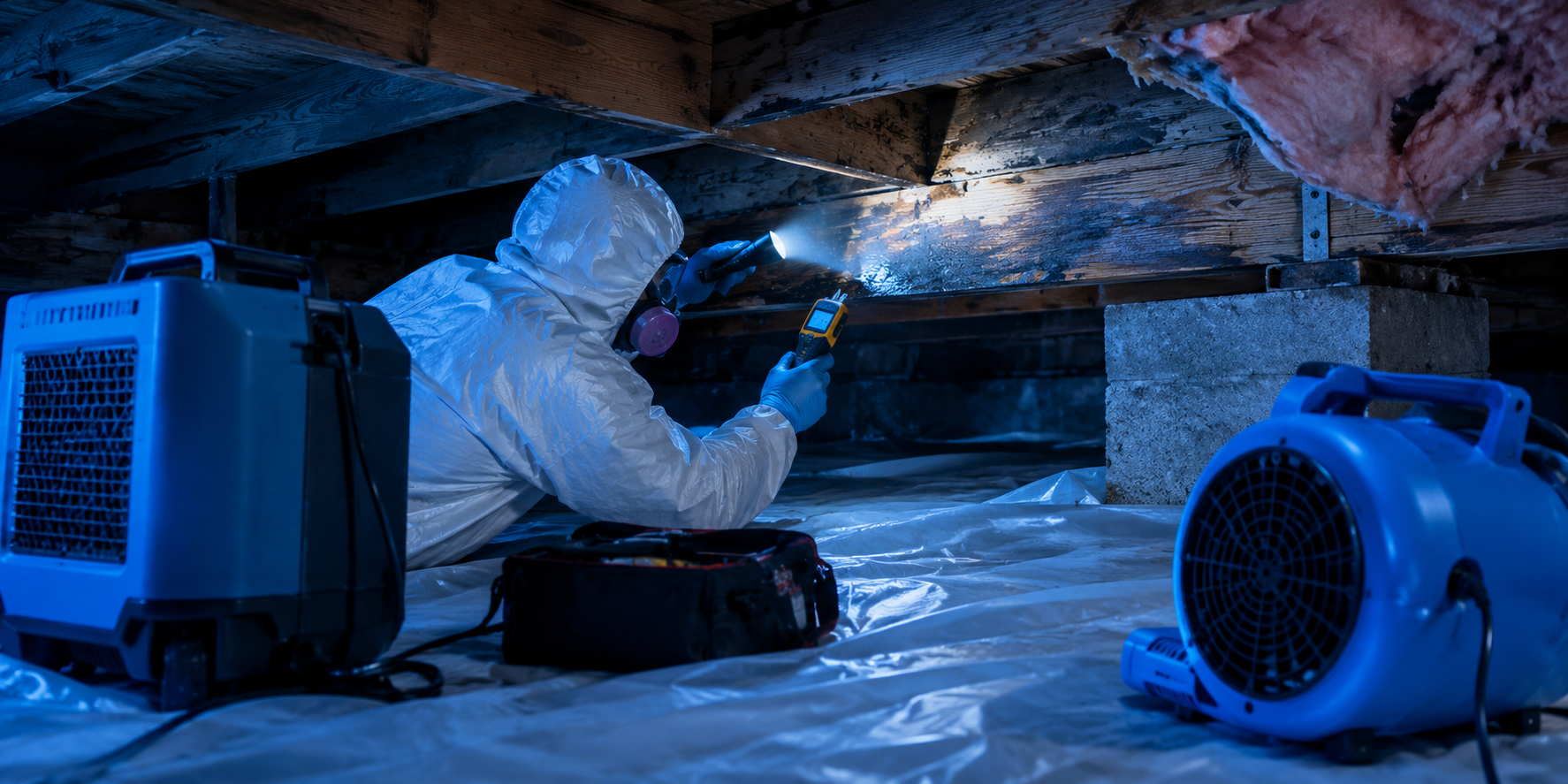
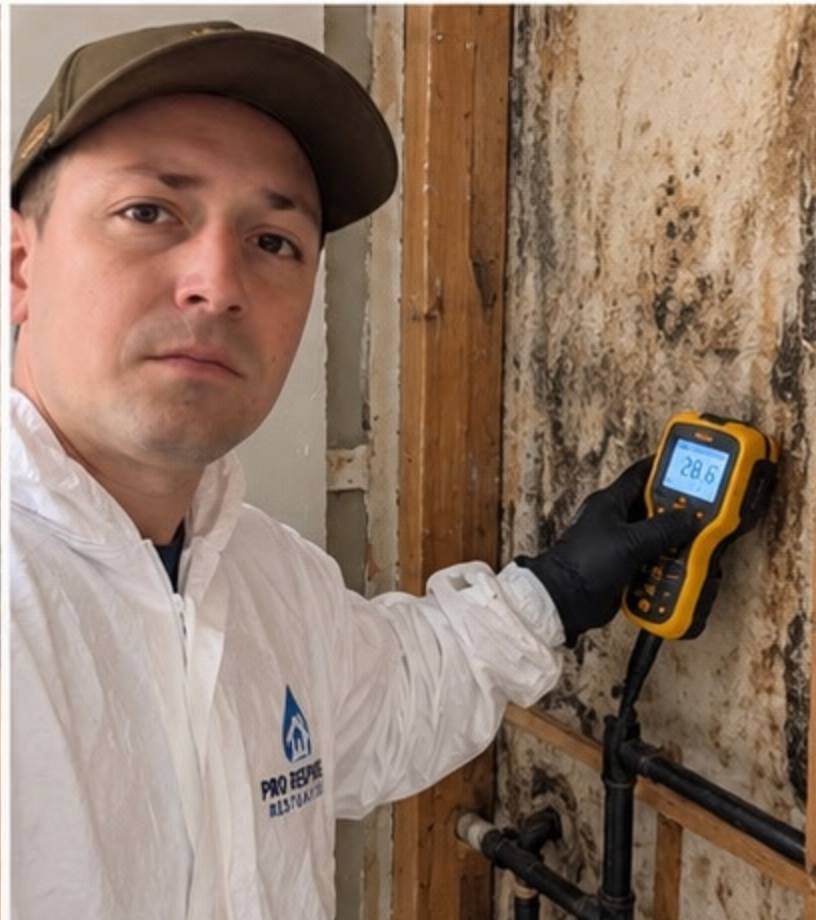
Mold often grows where you cannot see it: inside wall cavities, under sinks, behind cabinets, beneath flooring and in crawlspaces. We use moisture meters and thermal imaging to track down damp areas, open the structure only where needed and address both the mold and the moisture behind it.

Residential and Commercial Mold Remediation

We handle mold remediation in homes, rental properties, offices and commercial buildings. For landlords and property managers, we explain the scope clearly, work around occupants where it is safe and document the work so you have organized records of what was found and corrected.

Our Mold Remediation Process

Restoration process step icon
1. Inspection and Moisture Assessment
We inspect visible growth, check surrounding materials with moisture meters and look for the water source, such as a leak, condensation or poor ventilation. Understanding the cause is essential, because remediation without fixing moisture will not last.
Restoration process step icon
2. Containment
We isolate the work area with plastic barriers and use negative air pressure where appropriate. Containment keeps mold spores and dust from spreading to clean parts of your home or building while materials are being disturbed and removed.
Restoration process step icon
3. Air Filtration
HEPA air scrubbers run during the work to capture airborne spores and fine particles. Filtration protects indoor air quality during remediation and reduces the amount of debris that settles on surfaces in and around the work area.
Restoration process step icon
4. Removal of Mold-Damaged Materials
Porous materials with mold growth, such as drywall, insulation, carpet pad and some wood products, are carefully removed, bagged and disposed of. Structural framing is generally cleaned rather than replaced unless it is damaged.
Restoration process step icon
5. Cleaning, Treatment and Drying
Remaining surfaces are HEPA vacuumed, cleaned and treated with antimicrobial products. We then dry the area and confirm with moisture readings that materials are back to normal levels before any rebuild work begins.
Restoration process step icon
6. Moisture Damage Repair
With the mold removed and the area dry, we replace insulation, drywall, baseboards and flooring as needed. Jorge reviews the finished work with you and shares practical tips to help keep moisture under control going forward.
Black horizontal line on a white background

our services

Mold and Moisture Services We Provide

Effective mold remediation deals with both the growth and the moisture behind it. These are the services we provide for homes and commercial properties in San Francisco and Marin County.
Water damage restoration service in Pinole, CA
Inspection

Mold and Moisture Inspection


We inspect visible growth, test surrounding materials for moisture and look for the leak, condensation or ventilation issue that allowed mold to develop.
Water damage restoration service in Pinole, CA
Containment

Containment and Air Filtration


Barriers, negative air and HEPA air scrubbers keep spores from spreading to clean areas while mold-damaged materials are removed.
Water damage restoration service in Pinole, CA
Removal

Mold-Damaged Material Removal


Drywall, insulation and other porous materials with mold growth are carefully removed, bagged and disposed of to eliminate the colony at its source.
Water damage restoration service in Pinole, CA
Treatment

Surface Cleaning and Treatment


Framing and remaining surfaces are HEPA vacuumed, cleaned and treated with antimicrobial products to remove residue and discourage regrowth.
Water damage restoration service in Pinole, CA
Crawlspaces

Crawlspace Moisture Correction


Damp crawlspaces are a common source of mold in East Bay homes. We remove affected insulation, clean and dry the framing and address standing moisture.
Water damage restoration service in Pinole, CA
Repairs

Moisture Damage Repair


We repair water damaged drywall, insulation, baseboards, subfloors and flooring so the affected areas are restored and the structure is sound.

Insert Content

Black horizontal line on a white background.
Common Questions

Mold Remediation FAQs

Mold can be confusing and worrying. These answers cover what San Francisco and Marin County property owners most often want to know before starting mold remediation.

How do I know if I have a mold problem?

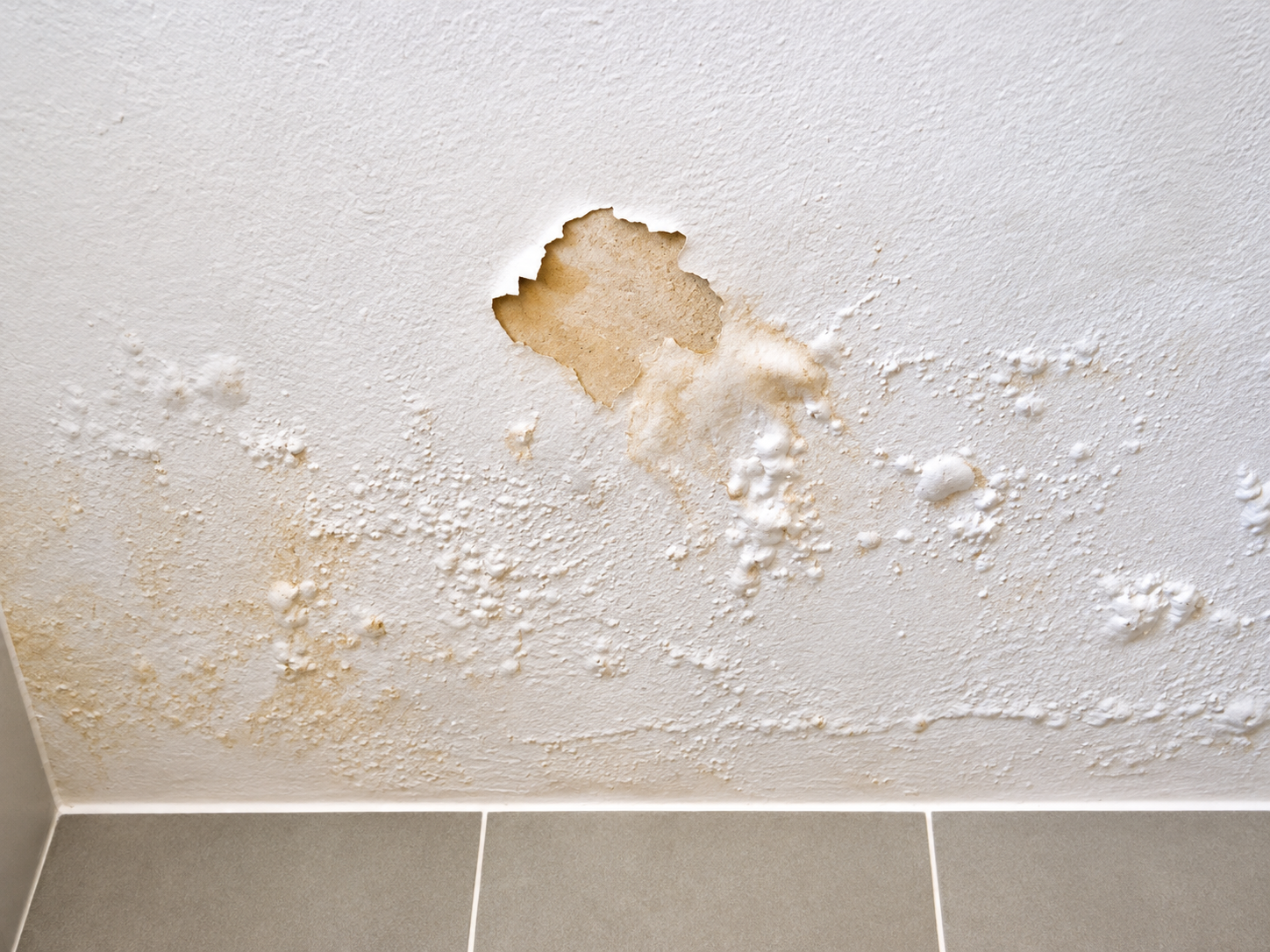
Common signs include a persistent musty odor, visible black, green or white spots on walls or ceilings, peeling paint, warped materials and recurring condensation. Mold often grows after leaks or flooding that were not fully dried. An inspection with moisture readings can confirm where growth and moisture are present.

Can I just clean mold with bleach?

Bleach may lighten surface stains on hard, non-porous materials, but it does not penetrate drywall or wood and does not fix the moisture causing the growth. Mold often returns behind the surface. Larger or recurring growth calls for professional removal of affected materials and correction of the moisture source.

What causes mold after water damage?

Mold needs moisture, a food source like drywall or wood, and time. If materials stay wet for more than a day or two after a leak or flood, mold can begin to grow. Thorough drying verified with moisture readings is the best way to prevent mold after water damage.

Do I need to leave my home during mold remediation?

Usually not. Containment barriers and HEPA air filtration keep the work area isolated, so most families can stay home while remediation is underway. For larger projects or occupants with health sensitivities, we will discuss whether temporarily avoiding certain areas makes sense.

How do you prevent mold from coming back?

We identify and address the moisture source, remove mold-damaged materials, clean and treat the area and dry the structure fully. After the work, controlling humidity, ventilating bathrooms and kitchens and fixing leaks promptly are the most effective ways to keep mold from returning.

Do you provide mold remediation for rental and commercial properties?

Yes. We provide mold remediation and moisture damage repair for rental homes, multi-unit buildings, offices and commercial spaces across San Francisco and Marin County, with clear documentation of the work for owners and property managers.

    Short black horizontal line on a white background
    Why Choose Us

    Benefits of Professional Mold Remediation

    BENEFIT 01

    Addresses the Root Cause
    We find and correct the moisture feeding the mold, so you are not paying to remove the same growth again a few months later.

    BENEFIT 02

    Contained, Cleaner Work
    Containment and HEPA filtration keep spores and dust from spreading through your home or building during remediation.

    BENEFIT 03

    Healthier Indoor Air
    Removing mold growth and drying the structure reduces musty odors and helps improve the air quality in the affected spaces.

    BENEFIT 04

    Protects the Structure
    Fixing moisture damage early prevents rot in framing and subfloors and stops drywall and finishes from deteriorating further.

    BENEFIT 05

    Honest Assessment
    Jorge explains what he finds in plain language and recommends only the work your property needs, so you can make informed decisions.

    BENEFIT 06

    Full Repair, One Team
    From inspection and removal to drywall and flooring repair, one owner-operated team with 20+ years of experience handles the whole job.
    Black horizontal line on a white background
    Request an Estimate

    Seeing Signs of Mold or Moisture Damage?

    Call Pro Response Restoration or request an estimate online. We will inspect the problem, find the moisture source and recommend a clear plan to remove mold and repair your San Francisco and Marin County property.

    Signs You Need Mold Remediation
    • Persistent musty or earthy odor
    • Visible spots on walls, ceilings or grout
    • Mold returning after you cleaned it
    • Past leak or flood that was never fully dried
    • Peeling paint, bubbling or warped drywall
    • Damp crawlspace or high indoor humidity